
Child and teen therapy for anxiety and OCD in Wadsworth.
Is anxiety getting in the way of your child or teen enjoying life? We help kids 8 and up and teens face anxiety with confidence instead of letting it make the decisions.
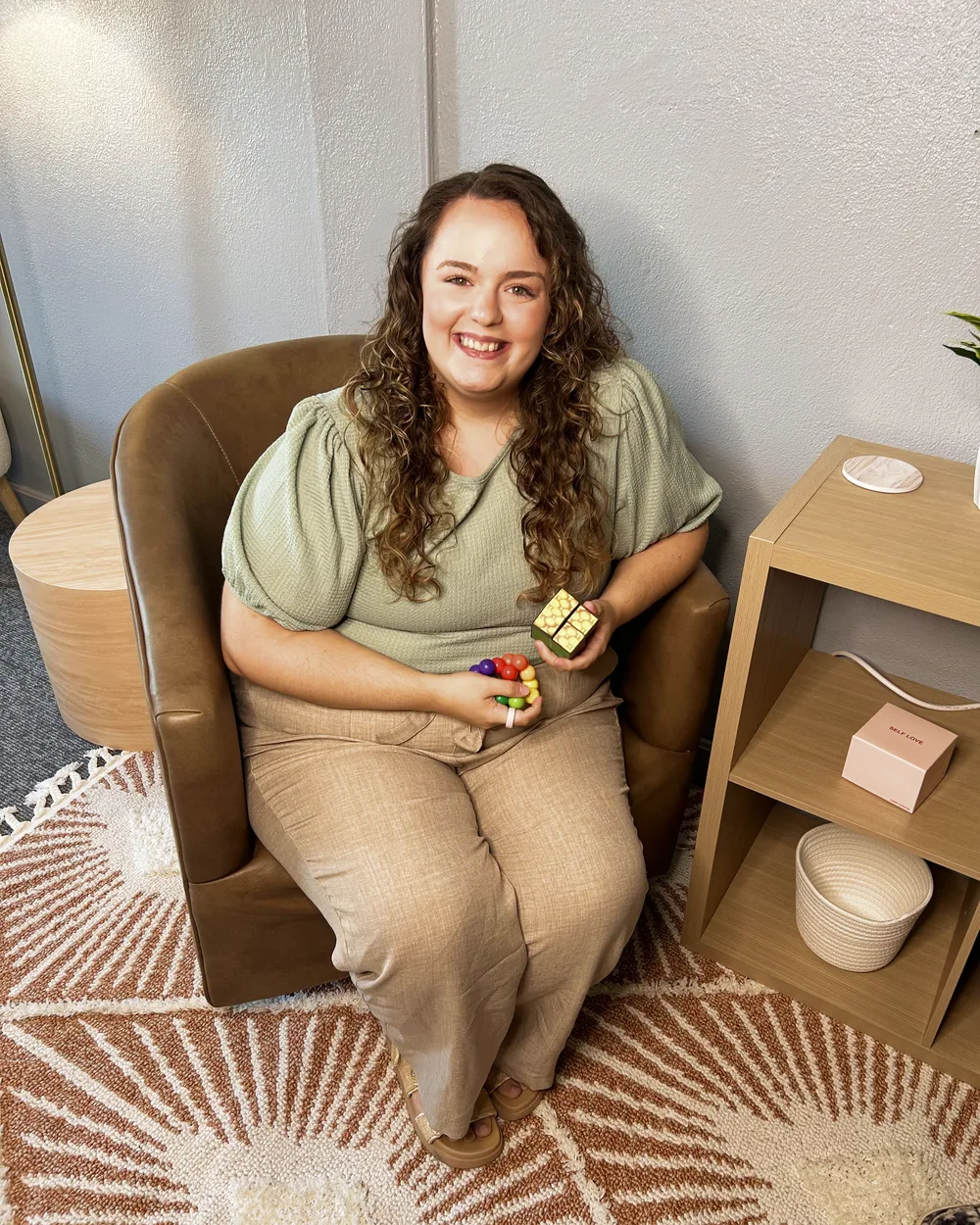
Child and teen anxiety
When everyday worry starts making the decisions.
It's normal for children and teens to feel anxious sometimes. They may worry about a big test, making new friends, trying something unfamiliar, or speaking in front of the class.
But when anxiety starts keeping them from going to school, spending time with friends, sleeping independently, joining activities they used to enjoy, or simply feeling like themselves, it may be time for extra support.
Anxiety doesn't always look like worry. Sometimes it looks like avoiding school. Sometimes it's frequent stomachaches before leaving the house, or needing constant reassurance. Other times it's irritability, perfectionism, panic attacks, or pulling away from friends and activities.
Many anxious kids and teens begin organizing their lives around avoiding uncomfortable feelings. The good news? Anxiety is highly treatable, and with the right support, kids and teens learn skills they'll use for the rest of their lives.
What we help with
Ages 8 and up, and teens.
- Generalized anxiety
- School anxiety and school refusal
- Social anxiety
- Separation anxiety
- Panic attacks
- OCD
- Specific phobias
- Perfectionism
- Excessive reassurance seeking
- Fear of making mistakes
Kids and OCD
Is your child stuck in fears they can't seem to let go?
Many parents first notice something doesn't seem quite right when their child starts asking the same questions over and over.
- "Are you sure my hands are clean?"
- "What if I accidentally make someone sick?"
- "What if I left something dangerous on?"
- "Can you promise everything is okay?"
Some children wash their hands repeatedly. Some ask for reassurance dozens of times a day. Some avoid touching certain objects or places, or confess things over and over because they're afraid they've done something wrong. Others get stuck on upsetting intrusive thoughts they desperately wish would go away. Because OCD looks so different from child to child, it is often mistaken for generalized anxiety, perfectionism or simply being a "worrier."
Common signs of OCD
- Repeatedly asking the same questions for reassurance
- Washing or cleaning excessively
- Checking things over and over
- Avoiding certain people, places or objects
- Needing things to feel "just right"
- Repeating actions until they feel complete
- Confessing harmless things repeatedly
- Spending a lot of time trying to get rid of unwanted thoughts
- Getting distressed by intrusive thoughts about germs, harm, religion, mistakes or other frightening topics
Intrusive thoughts can be scary. They are not dangerous.
Kids and teens often become frightened by their own thoughts. "Why did I think that?" "Does having this thought mean I want it to happen?" "Am I a bad person?" The answer is no. Intrusive thoughts often target the things a child cares about most, and they are upsetting because they go against your child's values and who they are. Learning to respond differently to them, rather than trying to make them disappear, is one of the most important parts of recovery.
Treatment
Practical, evidence-based, and paced for your child.
We use evidence-based treatments, including Cognitive Behavioral Therapy (CBT) and Exposure and Response Prevention (ERP), the gold standard treatment for OCD, when appropriate. ERP helps children and teens gradually face their fears while learning they don't have to obey OCD's rules. Over time, OCD begins to lose its grip, and confidence grows.
Sessions are tailored to your child's age, personality and goals. We work collaboratively, making therapy supportive while also encouraging meaningful growth.
Parents and caregivers are an important part of the process
You know your child better than anyone. Out of love, parents naturally try to reduce their child's distress by answering repeated questions, giving reassurance, changing routines, or helping them avoid what triggers anxiety. Those responses are completely understandable, and they can unintentionally strengthen OCD over time. We'll help you understand how anxiety and OCD work, recognize compulsions that aren't always obvious, and learn practical ways to support progress at home.
Our goal is not only to help your child feel better today, but to give your family tools that keep working long after therapy ends. There is hope: OCD and anxiety are highly treatable.
Who you'll work with
Therapists who see children and teens.
Children 8 and up: Victoria. Teens: Victoria and Elizabeth. Find the right therapist by focus
-
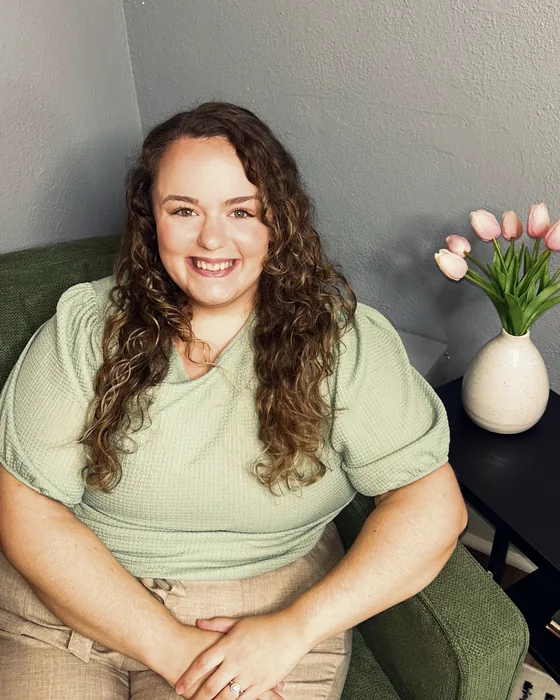
Victoria Oblisk
LPCC
Children, teens and adults navigating trauma, anxiety, depression and grief. Trained in ERP for OCD.
Meet Victoria -

Elizabeth King
LISW-S
Teens 16 and up, adults, couples and families working through emotional and relationship challenges. Trained in ERP for OCD.
Meet Elizabeth
What's the consultation call?
It's a free, quick phone call to talk about what you have been experiencing, answer questions about the practice, and decide if therapy at New Bridges feels like a good fit.
How often do clients usually attend therapy?
Many clients begin with weekly sessions, especially when working on OCD, panic, intrusive thoughts or anxiety. Weekly sessions help build momentum and skills. We then adapt the frequency as needed, for example twice a month or once a month.
What does therapy cost?
An initial intake evaluation is $145. A standard 50-minute individual session is $145, and a 50-minute couples, marriage or family therapy session is $165. A reduced cash rate is available on a limited, case by case basis. Please ask if you're interested.
Wondering if what your child is experiencing could be OCD or anxiety?
We'd be happy to talk with you, answer your questions, and help decide whether New Bridges Counseling is the right fit for your family. Schedule a free consultation call.
Not for emergencies: in a crisis, call or text 988, or call 911.